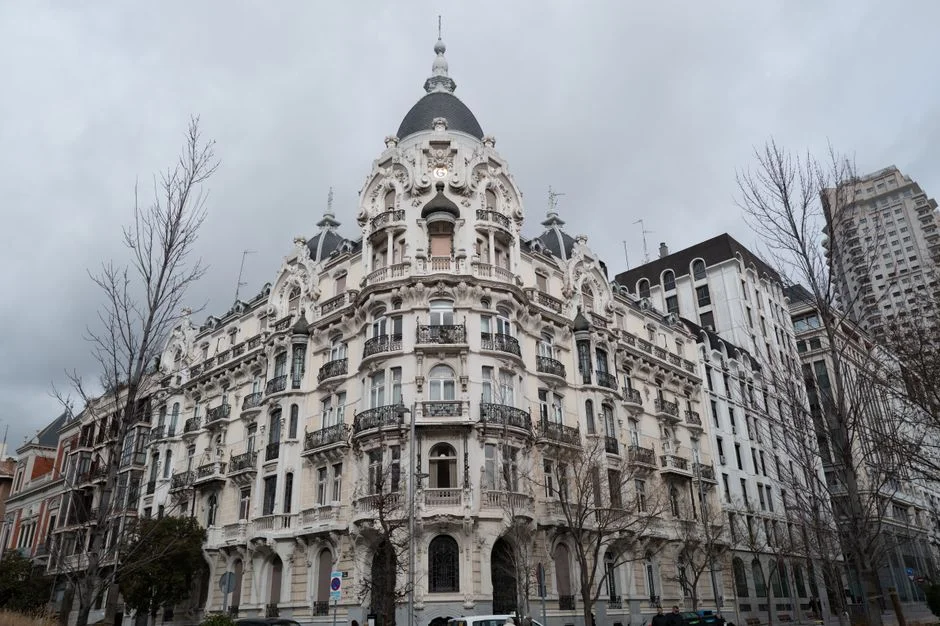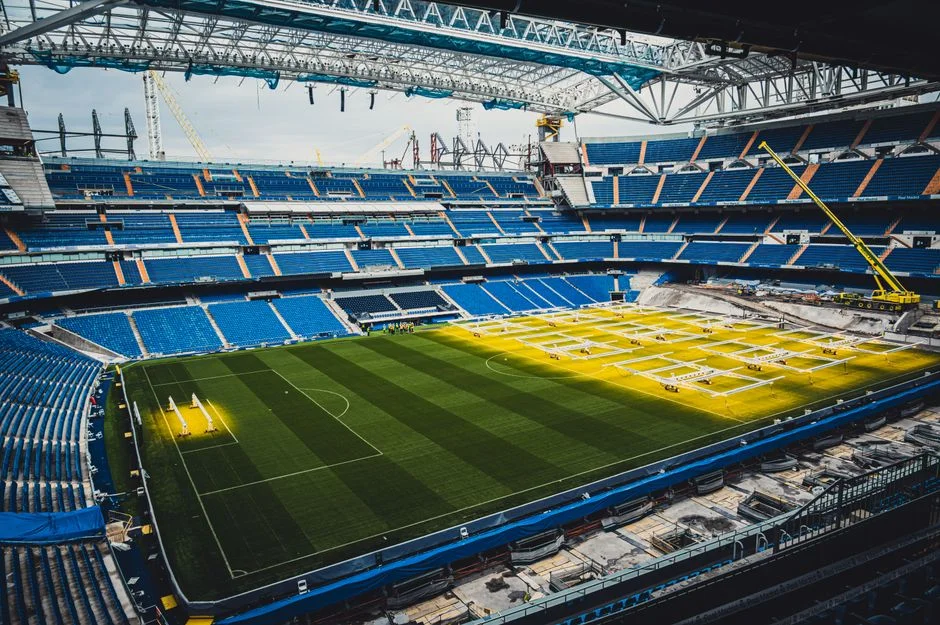
Florentino Pérez will remain president of Real Madrid after winning a new mandate at the club's assembly. The decision, confirmed on Thursday at the Santiago Bernabéu, extends the tenure of the 82-year-old executive who has led the Spanish giant since 2000. Sources at the club confirmed the re-election without disclosing the exact vote count.
The Madrid decision that travels west
Florentino Pérez secured his new term as Real Madrid president on Thursday. The assembly, held at the Santiago Bernabéu stadium in Madrid, delivered the result that many expected given the lack of a formal challenger. Pérez has held the presidency for 25 consecutive years, making him one of the longest-serving club presidents in European football.
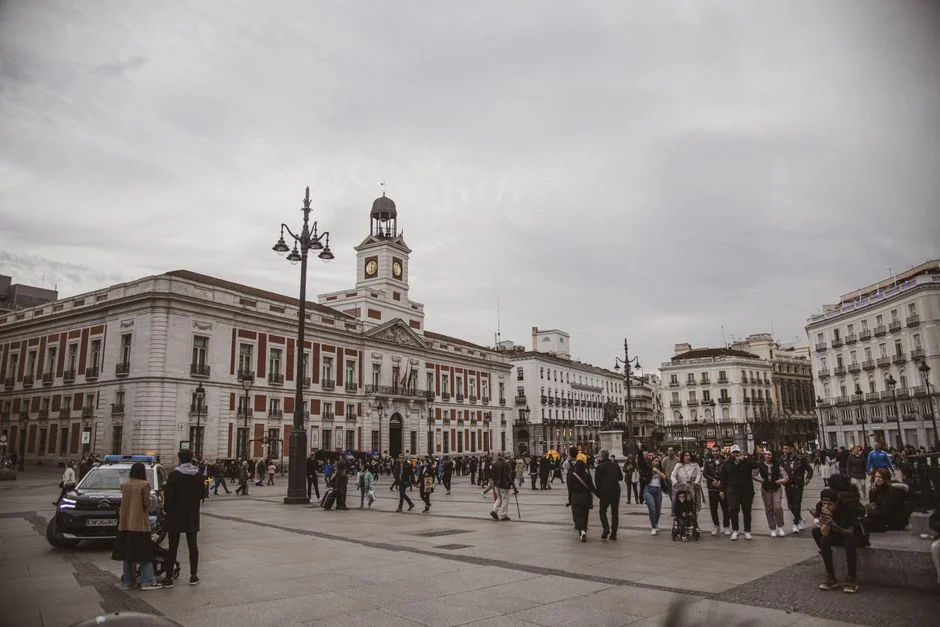
His re-election carries weight beyond the Spanish border. In Lisbon, the result is being watched closely by those tracking the European Super League project. Pérez serves as president of the Super League, the competition that Real Madrid and Barcelona have championed against UEFA's authority. The Portuguese capital has been drawn into this dispute through legal proceedings and fan pressure on local clubs.
The Super League shadow
The European Court of Justice ruled in December that UEFA's blocking tactics against the Super League violated competition law. That ruling emboldened Real Madrid and Barcelona to push forward with the project. Pérez has repeatedly argued that a breakaway competition is necessary to guarantee financial stability for elite clubs.
Clubes portugueses have maintained a watching brief. No Portuguese club has formally joined the Super League since the original 2021 collapse, when most English clubs withdrew under fan pressure. However, the legal framework now favors the project, and Madrid's continued leadership matters for what comes next.
Who is Florentino Pérez
Florentino Pérez built his public profile through major transfer coups. He brought Zinedine Zidane, Cristiano Ronaldo, and Gareth Bale to Madrid during previous terms. His construction company, ACS, built infrastructure across Spain and Latin America, though he has kept his business interests separate from club affairs since taking the presidency.
At 82, Pérez faces questions about succession planning. Club statutes allow him to serve until 2027, but critics within the Madrid fanbase point to aging infrastructure and declining domestic results as signs that fresh leadership may be needed. The club won no major domestic trophies last season.
What Lisbon watches for
The Lisbon connection runs deeper than diplomatic courtesy. Portuguese clubs monitor every development in Madrid because the Super League's future directly affects their commercial prospects. If Real Madrid succeeds in launching a closed competition, Portuguese clubs face a choice: join or risk being locked out of elite European football.
Benfica and Porto have engaged with Super League representatives informally. Neither club has committed publicly, but both understand that Madrid's direction shapes the entire continent's football economy. A stronger Pérez means a more determined push for the competition's revival.
The road ahead
Pérez's new term begins immediately. His first challenge will be finalizing the Super League's format, which must now comply with European Court guidelines. The competition cannot be a closed shop — it needs an open structure that allows promotion and relegation to satisfy legal requirements.
Real Madrid also faces pressure on the pitch. The club sits third in La Liga this season, behind Barcelona and Atlético. Rebuilding the squad will require significant investment in the upcoming transfer windows. Pérez's re-election signals continuity, but results matter at a club that measures success by trophies.
What comes next
The Super League general assembly is scheduled for June. Pérez will present his vision for the competition's relaunch at that meeting. Portuguese clubs have been invited to send observers. Whether any accept will signal the project's true reach.
For readers watching from Venezuela, the stakes are clear: Madrid's decision shapes European football's future, and that affects the tournaments, transfers, and stars that reach Latin American screens every week. The echo from Madrid to Lisbon carries across the Atlantic.
Ver También
- Real Madrid exige compromiso total de Mbappé bajo presión
- Guerra afecta la economía: análisis de Galamba y Brinca revela impactos en infraestructuras